Bio-nutrient Cycle
Positively reframing anaerobic digestion

Fully sustainable biomethane and organic fertiliser
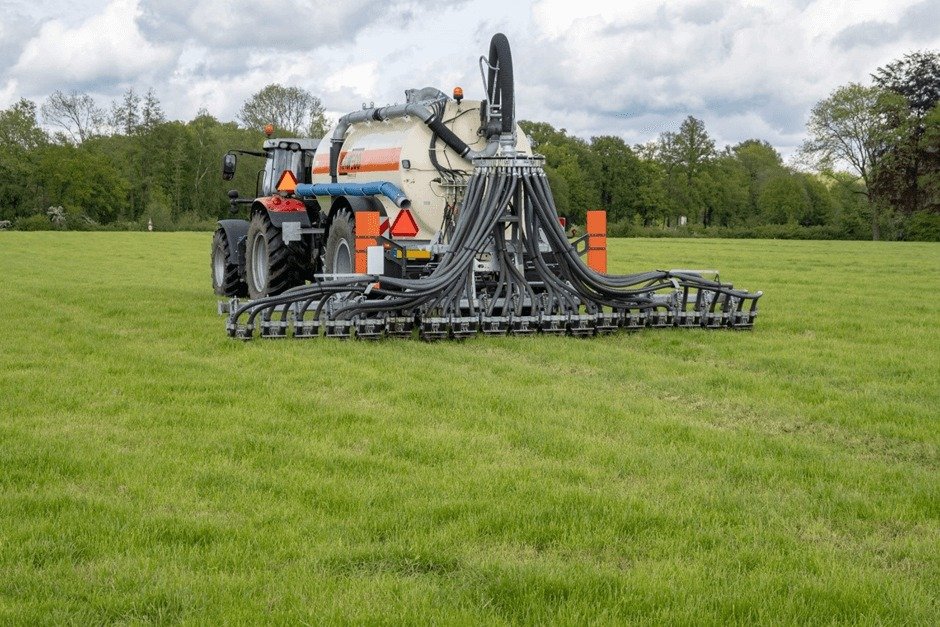
AgriBiogas uses a pioneering range of practices and technologies to develop fully sustainable biomethane and organic fertiliser. Our approach means that landbank biodiversity improves, and farming families benefit from a sustainable source of income, and the potential to realise value from carbon buildup on their farms.
HOW IT WORKS
5 Steps to Better
01
02
03
04

Enhance
grass species
Manage
grassland
05
Results
Targeted
nutrients
Increased m3
biomethane

Correct
soil pH
Test
Soil
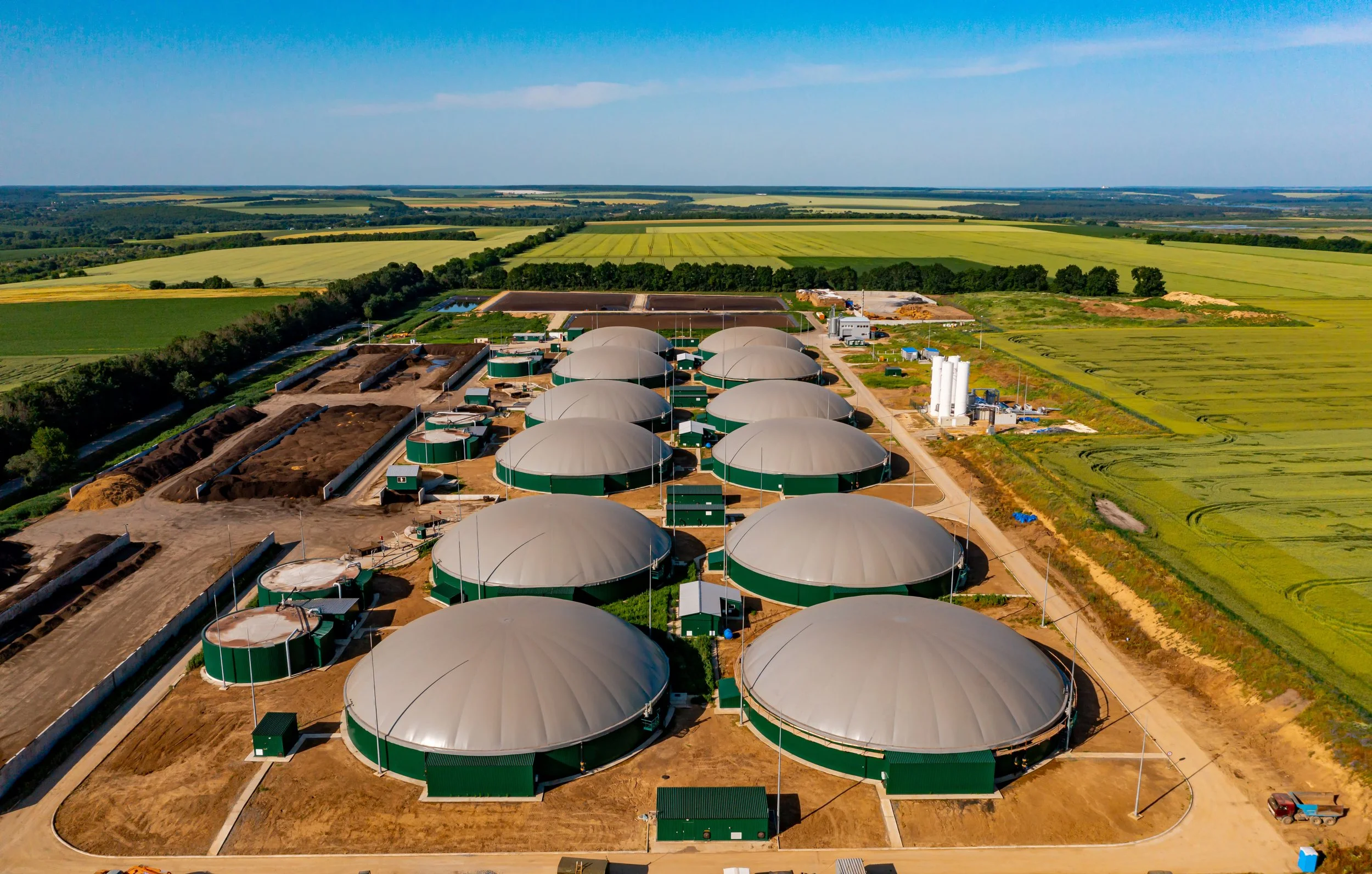
High quality biomethane
High-quality feedstock is essential for producing truly sustainable biomethane. Through AgriBiogas’ five-step approach to land nutrient management, we achieve RED III–compliant renewable gas. The Renewable Energy Directive III (RED III) framework sets strict sustainability and greenhouse gas (GHG) emission criteria to ensure genuine carbon savings across bio-energy production.
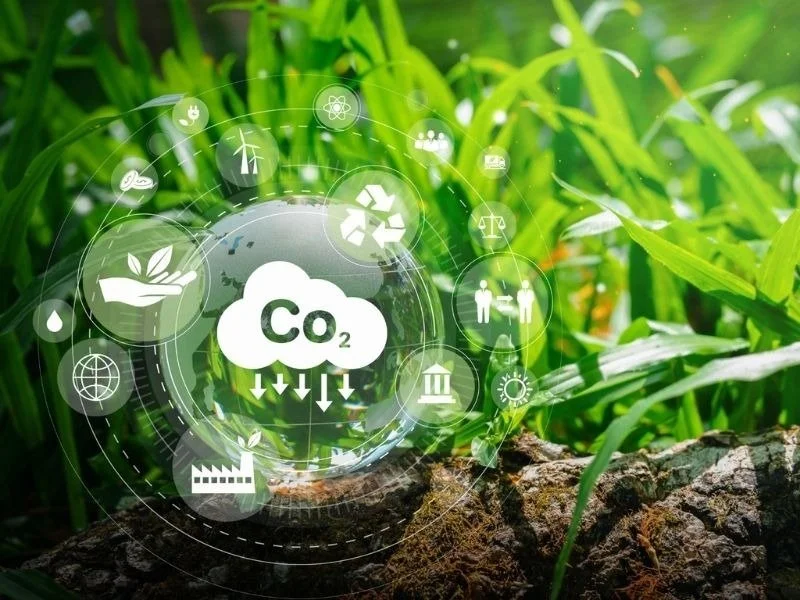
Soil carbon sequestration
Carbon sequestration removes carbon
from the atmosphere, storing it safely
in natural sinks.
At AgriBiogas, the soil where feedstocks grow becomes a powerful vessel for carbon storage.
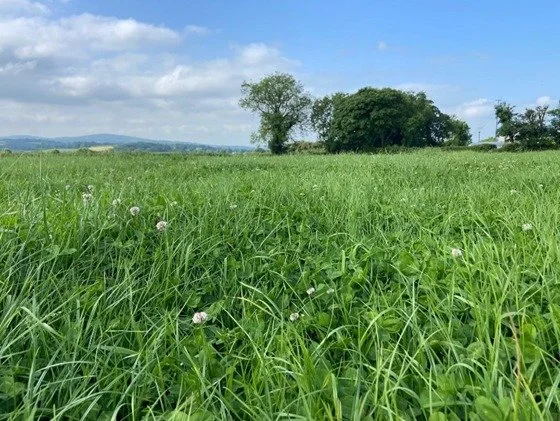
Creating a Positive Biodiversity Impact
At AgriBiogas, our land management approach
ensures every project enhances nature.
Through regenerative practices, we improve biodiversity, water health, and air quality
leaving the environment better than before.
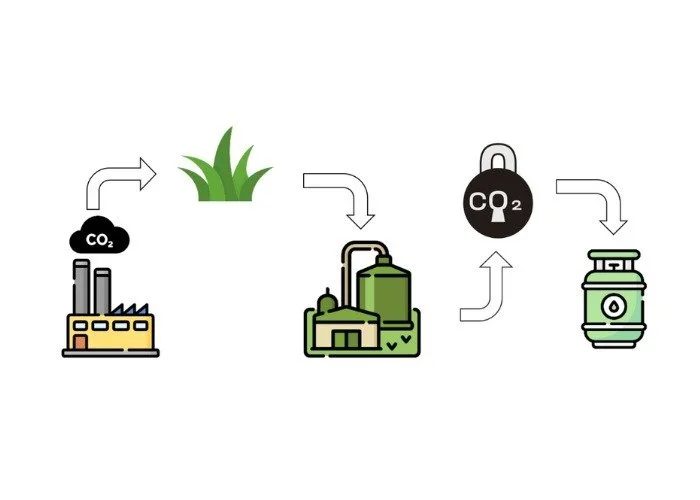
Biogenic CO₂ Utilisation
During biogas upgrading, CO₂ is separated and captured. As a biogenic gas derived from organic processes, it offers low-carbon opportunities in food-grade applications and as a key feedstock for green hydrogen production.
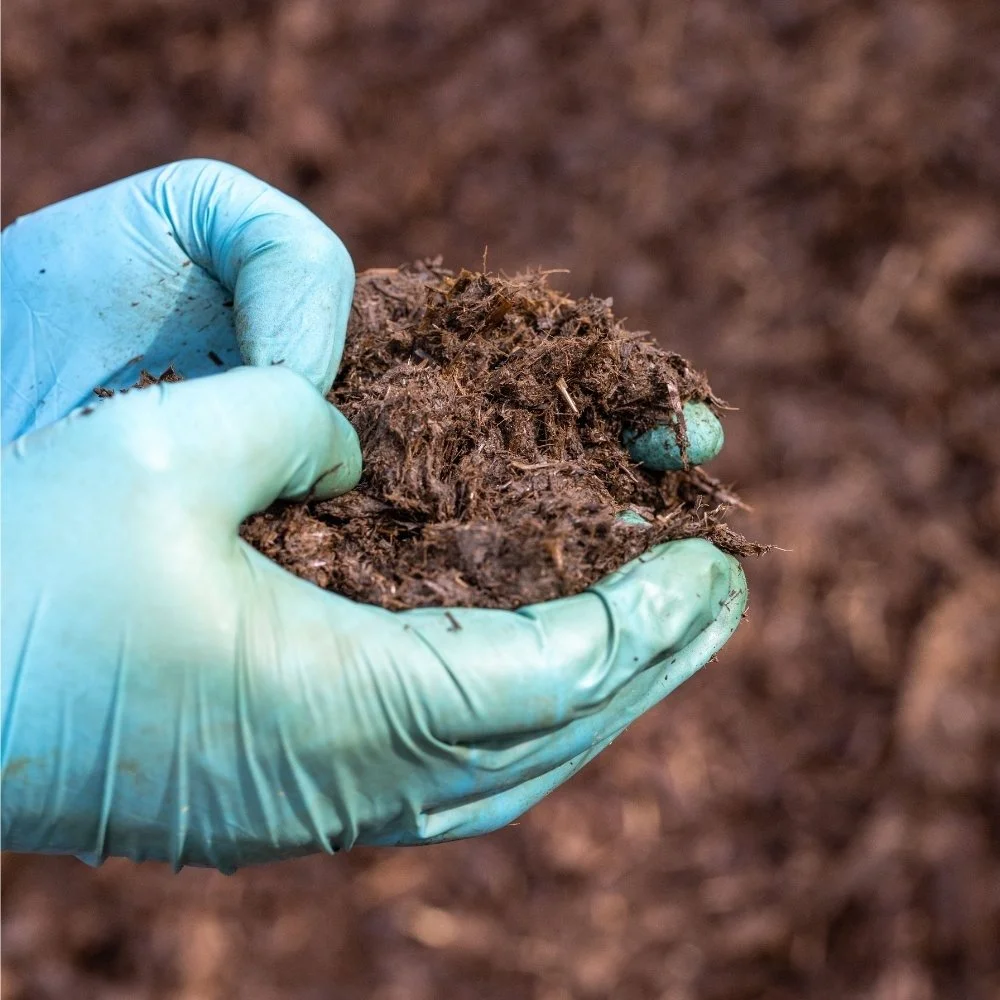
Sustainable Indigenous Biofertiliser Production
Anaerobic digestion produces a nutrient-rich,
highly available digestate or biofertiliser.
Used to grow future feedstocks, it restores
soil fertility and completes the loop
of our circular bio-system.
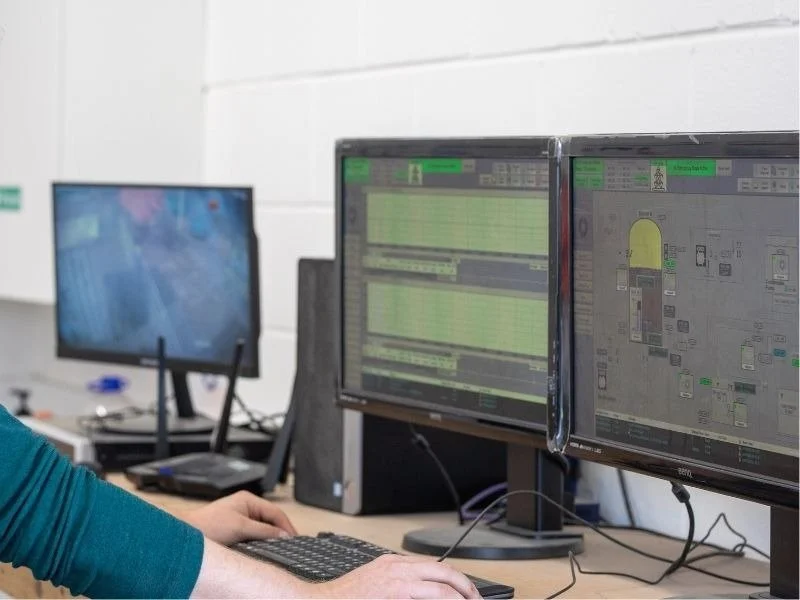
Traceability from Soil to System
We provide full traceability from soil to system,
empowering suppliers, producers, and end users.
This visibility drives our carbon and nutrient goals
and stands at the core
of our sustainability commitment.
Get in touch
We’re here to answer all your queries